Hospitality
The Rise of Hyper-Personalization in Hospitality: A New Era of Tailored Experiences
 Rosario Diaz Ausa
9 October 2024 · 4 min read
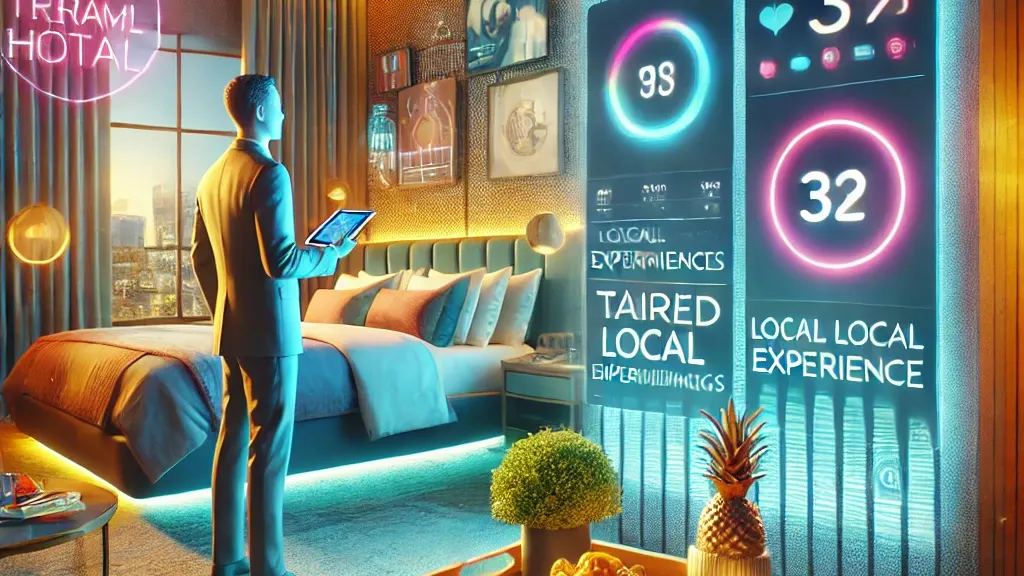
The hospitality industry is undergoing a radical transformation. Two main forces are at play: first, the expectations of travellers for hyper-personalised experiences are escalating; and second, considerable amounts of data about guests are available to service providers, empowering them to deliver those experiences with an unprecedented level of precision. Hyper-personalisation is fast becoming the new norm, especially in luxury travel: bespoke and extraordinary experiences are no longer rare gems of the hospitality industry but the very essence of luxury travel. But what exactly is hyper-personalisation? And how could it be leveraged by short-term rental agents to improve client retention and outpace business growth?
What Does Hyper-Personalization Mean?
Fundamentally, it’s an expression of hyper-personalisation: providing guests with services uniquely tailored to their individual preferences and behaviour, data that can be gathered through an array of different touchpoints such as mobile apps, past bookings, interactions with front-of-house staff, and even on-site behaviours. This isn’t about a hotel remembering that you like your Martini dirty or referring to you by name; it’s literally about treating a guest with context-aware, personalised service.
Hyper-personalisation exploits the idea that luxury customers expect nothing less than bespoke treatment. The retailer or hotelier who can ‘guess’ what the consumer wants, who prepares the guest’s room according to his or her precise travel habits, who suggests dining options based on the guest’s ethnicity, or who provides a list of local activities based on one’s travel patterns, forms deeper, more memorable connections. These ultrapersonal connections make guests feel pampered, and generate greater loyalty: not only through extended stays, repeat visits, and favourable reviews, but also through increased propensity to endorse the retailer to friends and family.
How Are Hotels Achieving Hyper-Personalization?
Luxury hotels are seizing the lead in hyper-personalisation, spending heavily on technology and training to provide guests with highly customised services that surprise and delight. How are companies creating such bespoke experiences?
- Data-Driven Guest Insights: Big data is being used to collect and analyse guest behaviour and preferences to create highly detailed guest profiles. For example, a guest who frequently orders room service may be offered a dinner package on their next visit if they have shown such a predilection in the past.
- Smart Room Technologies: Hotel rooms are becoming increasingly sophisticated: Amazon Alexa or Google Home now allow guests to manage temperature, entertainment and other components to suit their individual preferences. Several hotels have deployed AI-run chatbots to offer round-the-clock assistance and recommendations.
- Customised Guest Experiences: The Ritz-Carlton has taken hyper-personalisation one step further with programmes such as ‘Ambassadors of the Environment’, where guests can go snorkelling with marine biologists. These kinds of personalized experiences build emotional connections and create lasting memories.
- Predictive analytics: Hotels are starting to use AI to anticipate what you might need. For example, if you continue to book spas with the hotel, before your next stay they might send you a special offer for a free spa package. We can start to use predictive analytics to anticipate guest desires and help to surprise and delight with things before they even express them.
Now, how Can Short-Term Rentals Capitalize on Hyper-Personalization?
While long considered a more ‘generic’ alternative to hotels, short-term rental is undergoing a transformation. Short-term rental providers have the ability to reshape the hospitality market through hyper-personalisation and create a new type of real estate that blurs the boundaries between residential and luxury hospitality. Here’s how:
- Guest Data: Data acquired from host platforms (eg, Airbnb) relating to guest preferences, previous stays with the host, and guest reviews can be used to personalise each stay and match the guest with things that they’re likely to enjoy, such as creating a personalised list of local restaurants, activities and experiences.
- Smart Home Technology: Incorporating smart home devices such as smart locks, smart thermostats, and entertainment hubs into rental properties can provide the same level of service and convenience for guests as a luxury hotel. Smart locks offer totally automated check-in settings for guests, and tailored lighting and temperature will make a rental property feel as comfortable as a luxury hotel.
- Custom Itineraries: Working with local travel businesses allows hosts to propose custom itineraries based on guest’s passions and interests, from cooking classes and winery tours to private yoga sessions. All these immersive experiences are part of what can make a short-term rental feel like more than just a hotel, since they bring guests closer to experiencing the true culture of a place.
Tools for Small Hoteliers and Short-Term Rental Hosts
And this doesn’t even require a large budget. There are numerous inexpensive tools out there, and savvy small hoteliers and Airbnb hosts can leverage these to lead with knowledge and hyper-personalise:
- Property Management Systems (PMS): small operators can use these systems (think Guesty or Hostfully) to track guest preferences, facilitate communications with them, and automate the delivery of personalised services.
- Email Marketing and CRM Tools: Tools such as Mailchimp, HubSpot and others enable you to deliver personalised emails and offers to guests based on their past stays, preferences, and patterns of behaviour.
- Smart Home Integration: Inexpensive smart devices, like Nest or the August Smart Lock, let guests control comforts and security, like setting the thermostat or unlocking their door, at the touch of a button.
- Survey Tools: Guests can answer pre- and post-stay Typeform surveys to let hosts know more about them before the stay and to provide feedback after the stay.
The Future of Hyper-Personalization in Hospitality
Hyper-personalisation, with guest stays being made singularly unique and personalised, is revolutionising hospitality everywhere. Hotels and short-term rentals alike will both be driven to harness data and technology to create personalised services and provide not just satisfied but also loyal and repeat customers.
Indeed, the best of both worlds will ultimately be won by those who can cleverly weave the comforts of short-term rental into the high-touch experiences the luxury traveller expects at a hotel. With the right tools and strategies, short-term rental providers can ultimately compete at the highest levels while continuing to exceed their guests’ expectations with a service and experience that is uniquely their own.
First published on LinkedIn.