Hospitality
When Nature Becomes an Asset Class: The Global Race for Green Land and the Rise of Regenerative Hospitality
 Rosario Diaz Ausa
9 August 2025 · 4 min read
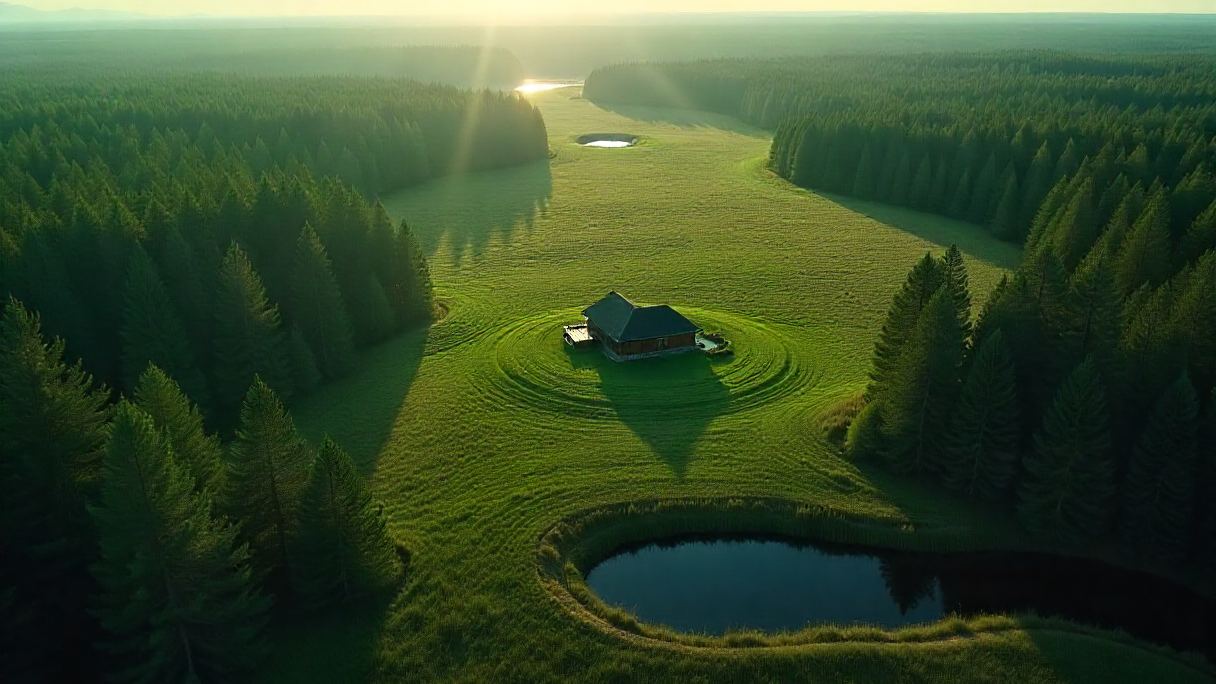
From carbon rich forests to rewilded estates, investors are reshaping the value of land and hospitality is becoming both the showcase and the steward of this new asset class.
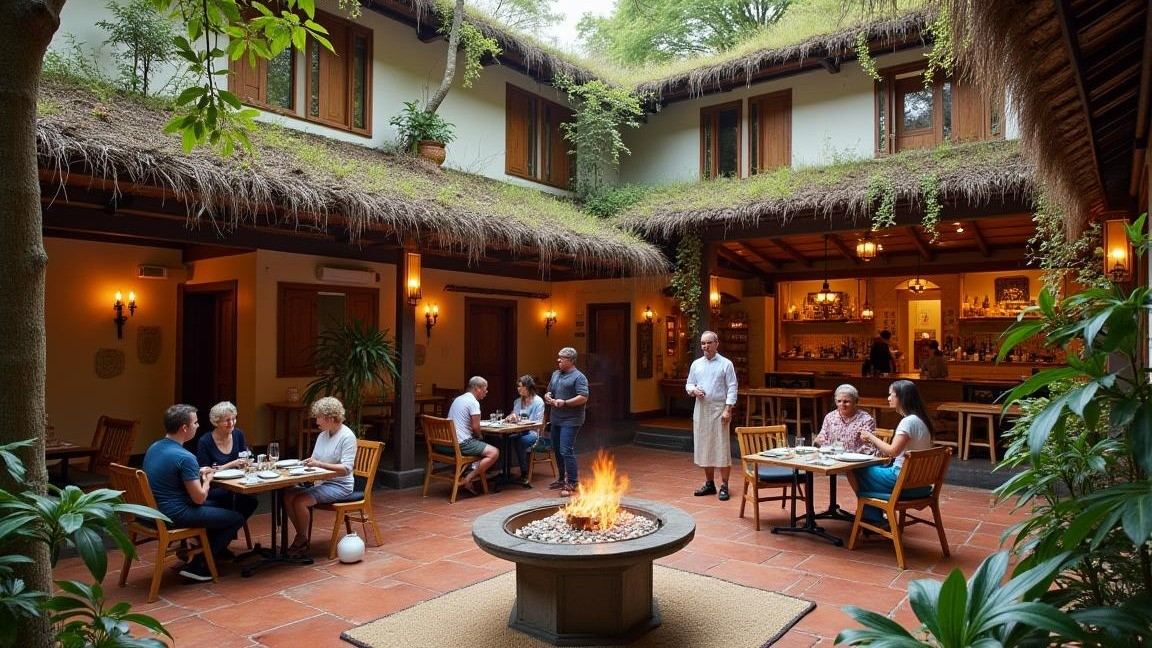
In a quiet valley of Patagonia, a stretch of wind-scoured grassland once mapped for timber extraction is now a private reserve. The new owners are not logging, but planting, restoring native lenga beech forests, reviving wetlands, and tracking carbon gains for sale into Europe’s voluntary markets. Yet the reserve is not a sealed scientific site. It welcomes paying guests into a cluster of low-impact, beautifully designed eco-lodges. Visitors hike among guanacos, share meals prepared with foraged herbs, and leave knowing they have contributed in a small but measurable way to the land’s regeneration.
Half a world away, in the Scottish Highlands, sprawling sheep farms are being acquired by high-net-worth investors and conservation charities alike. Hillsides are replanted with native trees, rivers are re-meandered, and peatlands are restored. These landscapes generate biodiversity credits under the UK’s Biodiversity Net Gain framework, credits that can be sold to developers needing to offset their projects. Some estates host small-scale luxury lodges or field-to-fork dining experiences, positioning themselves as both ecological and cultural destinations.
Across continents, the same pattern emerges. The flow of capital into large landholdings is no longer defined by agricultural yield or mineral reserves. Instead, valuations are increasingly tied to natural capital, the quantifiable ecosystem services a piece of land can provide such as carbon sequestration, habitat creation, and watershed protection. What was once the remit of environmental NGOs is now a legitimate and increasingly competitive investment strategy.
From Extraction to Regeneration and Monetisation
For most of modern history, the economic logic of land was extractive. Value was tied to what could be removed: crops, livestock, timber, oil, or minerals. The green rush unfolding today is different. Land is being acquired for what it can preserve and for what it can produce without depletion.
The returns are multi-layered:
- Environmental Credits: Carbon credits from afforestation, biodiversity units from habitat restoration, and water rights from conservation projects are now tradable in both voluntary and regulated markets.
- Hospitality Revenue: Eco-lodges, wellness retreats, and conservation tourism turn ecological assets into curated guest experiences.
- Capital Appreciation: Restored land often becomes more valuable over time, both ecologically and in the marketplace.
This model appeals to institutional investors seeking portfolio diversification, luxury brands aiming for sustainability credibility, and private owners driven by legacy as much as profit.
Global Hotspots for Natural Capital Investment
- United Kingdom: Driven by Biodiversity Net Gain policy, land with restoration potential is attracting corporate buyers, conservation organisations, and investors. Some pair rewilding with destination dining, guided nature tours, and boutique lodging.
- United States: Wetland mitigation banks in Florida, Louisiana, and the Pacific Northwest sell credits to developers while offering limited-access hospitality, from fly-fishing lodges to photography workshops. In Montana, restored ranches combine grassland conservation with high-end guest ranch experiences.
- Africa: Kenya’s private conservancies blend carbon credit sales with high-end safari hospitality. In Namibia, community-based conservancies partner with luxury lodges, splitting revenue between wildlife protection and local economic development.
- Australia: Cattle stations in Queensland and New South Wales now operate biodiversity offset projects, water rights trading, and vineyard-based retreats.
- South America: In Chile’s Lake District and Argentina’s Patagonia, large tracts are bought by international investors for reforestation, ecotourism, and climate-aligned branding.
The Flow of Capital: Who Is Buying and Why
Private equity funds, sovereign wealth portfolios, family offices, and even multinational corporates are building cross-border green land portfolios. Motivations vary:
- ESG Mandates: Meeting net-zero or biodiversity-positive pledges requires direct access to credible credits.
- Brand Positioning: Luxury hospitality groups see regenerative destinations as a way to differentiate in a crowded market.
- Wealth Preservation: Land with environmental value is perceived as a hedge against inflation, climate risk, and regulatory tightening.
- Legacy and Influence: High-profile projects can cement an investor’s reputation as a leader in climate-conscious development.
The scale is noteworthy. Deals involving tens of thousands, or even hundreds of thousands, of hectares are becoming common. This capital influx can stabilise or revive degraded landscapes, but it also risks inflating prices and limiting local access.
Hospitality as the Interface
Hospitality is the bridge between private investment and public perception. Without guests, many of these landscapes remain abstract to the wider world. With hospitality, they become immersive, memorable, and economically viable.
Well-designed regenerative hospitality offers:
- Revenue Diversification: Tourism income supplements or smooths the volatility of environmental credit markets.
- Narrative Value: Guests become ambassadors, carrying the story of a project to their networks.
- Community Integration: Lodges and retreats can provide local employment and support small-scale producers, aligning investor returns with regional resilience.
Dubai’s investment ecosystem is already attuned to this convergence. The city’s hospitality operators are exploring management contracts in rewilding estates abroad, leveraging their expertise in luxury positioning and guest experience while tapping into the credibility of regenerative landholding.
Risks and Realities
The natural capital market is still young. Credit pricing is volatile, verification standards vary, and policy shifts can disrupt entire business models. Poorly executed projects risk accusations of greenwashing or green grabbing, displacing communities under the guise of conservation.
Hospitality operators must adapt to low-footprint, lower-density models, which can mean higher capital expenditure and longer payback periods. Investors need to balance the urge to monetise with the responsibility to preserve, understanding that over-commercialisation can erode both ecological and financial value.
The Decade Ahead
Natural capital markets are projected to grow exponentially. The voluntary carbon market alone could exceed 50 billion dollars annually by 2030. Biodiversity credits, water trading, and other ecosystem service markets are following similar trajectories. As they mature, the integration with hospitality will offer one of the most tangible ways to connect investors, communities, and the traveling public in a shared mission.
The prize is not simply yield. It is resilience, influence, and legacy, the ability to say, this land is richer than when I found it. In the coming decade, the most valuable landscapes may not be those that produce the most, but those that preserve the most while telling a story the world wants to be part of.
First published on LinkedIn.