Hospitality
The Experiential Travel Revolution: How Travelers Are Redefining Tourism
 Rosario Diaz Ausa
12 December 2024 · 3 min read
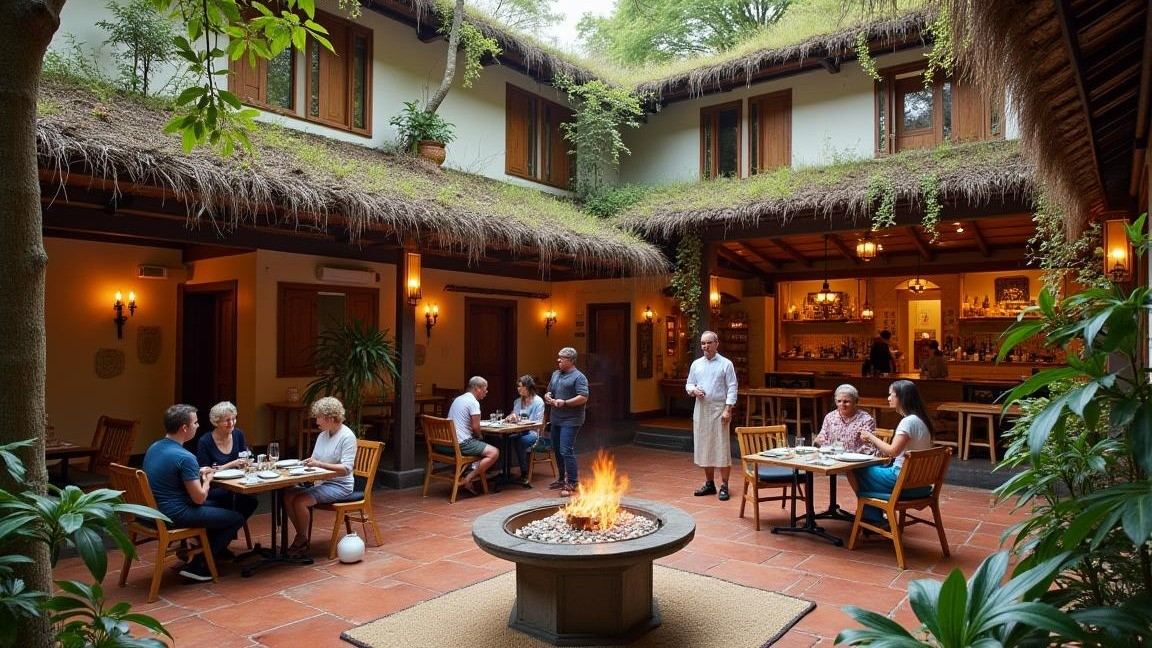
In the past decade, a profound shift has taken place in the travel industry. Travelers are no longer content with cookie-cutter itineraries and standard accommodations. Instead, they seek immersive, meaningful experiences that connect them to the culture, people, and essence of the destinations they visit. This shift, known as experiential travel, is not just transforming how people vacation, it’s reshaping the entire tourism and hospitality landscape.
What Is Experiential Travel?
Experiential travel prioritizes authentic and personalized experiences over traditional sightseeing. It’s about participating rather than observing, learning rather than simply consuming, and forging a deeper connection to a place and its people. Travelers are increasingly opting for activities like cooking classes with local chefs, guided cultural tours, and off-the-beaten-path adventures that reflect the unique character of a destination.
This trend aligns with a broader societal movement toward mindfulness and intentional living. Travelers want more than just a trip; they want stories to tell, skills to learn, and moments to cherish.
Market Trends Supporting Experiential Travel
- Demand for Authenticity: According to a 2023 survey by Booking.com, 71% of global travelers say they prefer accommodations and activities that help them connect with local cultures. This demand is driving a surge in boutique accommodations and unique experiences.
- Rise of Independent and Boutique Hotels: Experiential travelers increasingly favor boutique hotels and vacation rentals over large chains. These smaller properties offer personalized services, distinct designs, and integration with local culture, making them more appealing to experience-driven guests.
- Technology Meets Personalization: The use of AI and data analytics is enabling travel providers to tailor experiences to individual preferences, from curating activity suggestions to recommending local dining spots. This level of personalization is a significant draw for today’s travelers.
- Sustainability and Conscious Travel: Experiential travelers are often environmentally conscious, seeking destinations and businesses that prioritize sustainability. This trend is fostering growth in eco-friendly accommodations and activities that focus on preserving local ecosystems and cultures.
Why Boutique Hotels Are Thriving
One of the standout beneficiaries of the experiential travel trend is the boutique hotel sector. These smaller properties have several advantages over large hotel chains:
- Personalization: Boutique hotels excel at offering tailored experiences, such as customized welcome amenities or curated local excursions.
- Local Integration: Unlike large chains, boutique hotels often source locally, from décor to dining, providing guests with an authentic connection to the region.
- Unique Designs and Stories: Each boutique hotel has its own character, reflecting the history, culture, or natural beauty of its location, offering guests a sense of uniqueness and discovery.
Large hotel chains, by contrast, can struggle to deliver the level of authenticity and intimacy that experiential travelers crave due to their standardized offerings.
Challenges and Opportunities
While experiential travel opens new doors, it also presents challenges for the industry:
- Scaling Authenticity: As demand grows, maintaining authenticity in experiences without turning them into commoditized products is a delicate balancing act.
- Accessibility: Boutique properties and unique experiences often come at a premium, potentially alienating budget-conscious travelers.
- Competition from Alternative Accommodations: Platforms like Airbnb continue to expand their experiential offerings, giving boutique hotels significant competition.
However, opportunities abound. Larger hotel chains can create boutique-inspired concepts, while smaller operators can capitalize on their flexibility to innovate and adapt.
The Future of Experiential Travel
Looking ahead, experiential travel will likely continue to grow as younger generations dominate the travel market. Gen Z and Millennials, in particular, value experiences over material possessions, making them a driving force behind this trend.
Innovative strategies such as:
- Collaborative Partnerships: Partnering with local artisans, guides, and businesses to create exclusive offerings.
- Technology Integration: Using virtual reality or AI to enhance trip planning or enrich on-site experiences.
- Sustainability First: Adopting eco-friendly practices that resonate with the conscious traveler.
These approaches will help businesses stay relevant and competitive in the evolving tourism landscape.
A Paradigm Shift in Travel
Experiential travel represents a fundamental change in how people approach tourism. It’s not just about where you go, but how you connect with the destination and its culture. This trend benefits small, independent operators and boutique hotels, offering them a chance to outshine larger, impersonal chains.
As travelers continue to seek deeper connections and richer experiences, the industry must adapt, innovate, and embrace the ethos of experiential travel, or risk being left behind in this transformative era.
First published on LinkedIn.