Wellness and longevity
The Future of Luxury Spaces: Wellness as the New Architectural Imperative
 Rosario Diaz Ausa
12 March 2025 · 3 min read
Luxury is no longer just about extravagance, aesthetics, or exclusivity, it’s about transformation. As the intersection of hospitality, longevity, and wellness reshapes consumer expectations, a radical shift is underway in the way luxury spaces are designed.
The most valuable assets in today’s luxury market are no longer opulence and grandeur, but restoration and regeneration. The evolution of “wellness architecture” is turning high-end hotels, residences, and even urban spaces into environments that actively enhance mental, physical, and emotional well-being. The new luxury is about spaces that heal, energize, and optimize human performance.
From Status to Science: The Rise of Wellness-Driven Design
Historically, luxury design was about indulgence, lavish interiors, ornate chandeliers, and grandiose aesthetics. But as the focus shifts towards healthspan and longevity, architects and developers are adopting biophilic principles, neuroaesthetic considerations, and immersive wellness environments.
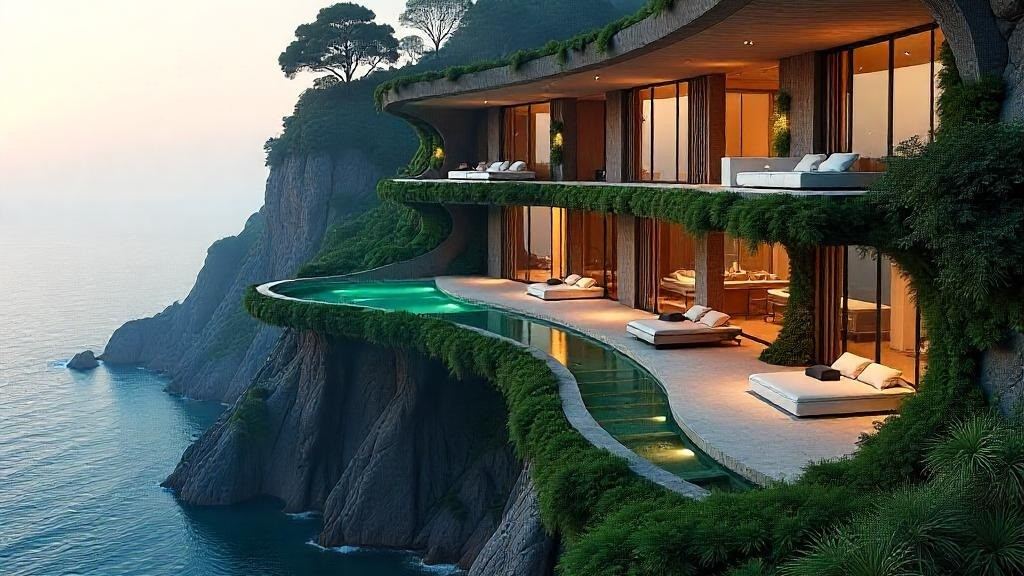
For example, SHA Wellness Clinic’s upcoming Healthy Living Island is a blueprint for the future, merging luxury hospitality with 24/7 health optimization services. Likewise, Aman Beverly Hills is weaving Californian botany into its architecture, creating a retreat that nurtures cognitive and physiological well-being.
Biophilic design, which incorporates natural elements like greenery, natural light, and airflow, has been shown to reduce stress, enhance mood, and even boost productivity. Luxury brands are leveraging this knowledge to create spaces that go beyond aesthetics to actively improve health outcomes.
Hospitality as a Health Catalyst
Luxury hotels and resorts are increasingly redefining their role as centers of transformation rather than mere spaces of leisure. This shift is driven by a growing demand for immersive, wellness-driven experiences.
Take One Za’abeel in Dubai, which integrates SIRO, a fitness- and recovery-focused hotel, with Clinique La Prairie’s Longevity Hub. Every aspect of the guest experience, from sleep cycles to nutrition, cryotherapy to personalized fitness regimens, is designed to optimize human performance.
This new breed of hospitality is no longer about passive luxury, it’s about active well-being. Spaces must now provide multi-sensory engagement, with elements like custom scent experiences, circadian lighting systems, soundscapes for relaxation, and AI-driven sleep environments.
Beyond Spas: A Fully Integrated Wellness Ecosystem
Wellness is no longer an add-on amenity, it’s the foundation of next-generation luxury spaces. The integration of scientifically validated health strategies into design is shaping the future of everything from residential developments to urban planning.
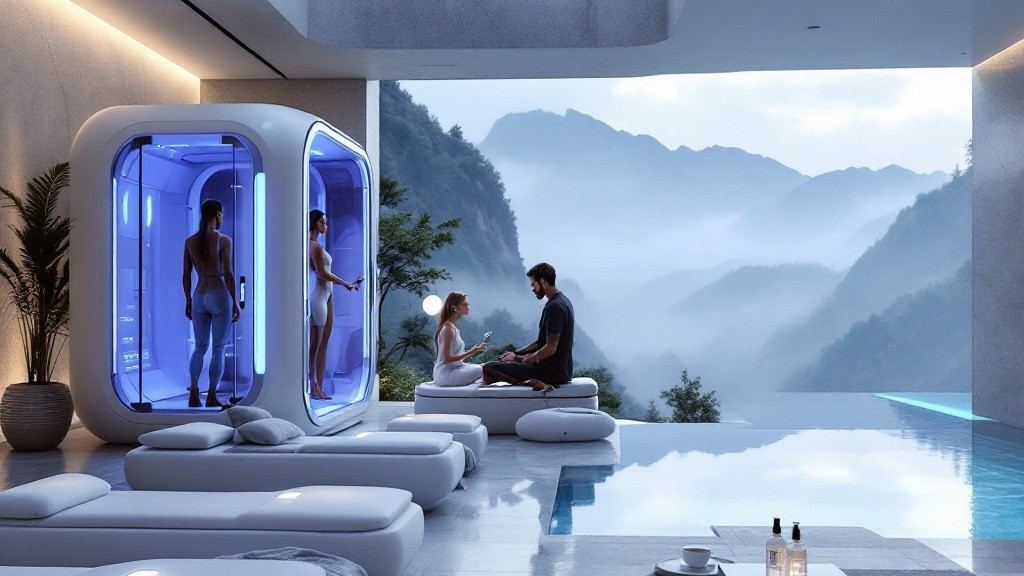
- Luxury residences are now incorporating infrared saunas, hyperbaric oxygen therapy rooms, and meditation sanctuaries into everyday living spaces.
- Retail spaces are becoming more than just shopping destinations, brands like Dior Spa Cheval Blanc in Paris offer light therapy, longevity treatments, and energy-balancing experiences.
- Office spaces are adapting wellness-centric designs, incorporating elements such as ergonomic workspaces, oxygen-enriched air systems, and restorative quiet zones to enhance productivity and well-being.
The Competitive Edge of Experience as Medicine
This transformation is creating a new competitive landscape in the luxury industry. Forward-thinking brands that embrace wellness-driven design as a core offering will redefine consumer expectations and secure long-term brand loyalty.
Architectural wellness isn’t just about luxury real estate, it’s about a lifestyle shift. The luxury spaces of the future won’t just look beautiful; they will function as living, breathing ecosystems designed to enhance lifespan, performance, and overall quality of life.
As we step into this new era, the brands that seamlessly integrate longevity-focused design into their spaces will emerge as the true pioneers of the next luxury revolution. The question is no longer, “How beautiful is this space?” but rather, “How does this space make me feel, heal, and perform better?”
First published on LinkedIn.