Branded residences and luxury
Luxury Is Leaving the Boutique: Why the World’s Most Powerful Brands Are Designing Lives, Not Products
 Rosario Diaz Ausa
23 July 2025 · 4 min read
Luxury used to be a destination: a boutique in Paris, a suite in Milan, a watch on your wrist that said something before you ever did. It was about presence. Object. Provenance.
But today’s luxury is no longer stationary. It doesn’t sit in a box or behind glass.
It moves, and it moves you.
It’s curated across airspace, embedded into hotel lobbies, etched into residential design, infused into wellness rituals; and increasingly, hosted in stadiums, yachts, and cultural capitals around the world.
From LVMH to Kering to Richemont, the most powerful names in luxury aren’t expanding their product lines. They’re building ecosystems of experience. They’re not selling things. They’re designing ways of living.
The Shift: From Object to Orbit
This shift isn’t subtle.
It’s architectural.
Where luxury was once about the item, rare, handcrafted, unattainable, it’s now about the arc. How a person experiences a brand, not just wears it. From the lounge at takeoff, to the villa at arrival, to the private event that no one else was invited to.
And the conglomerates have responded accordingly:
- LVMH has acquired Belmond, grown Cheval Blanc, expanded Bulgari Hotels, and most recently acquired a 20% stake in Flexjet, moving vertically into private aviation to control the very way you arrive.
- Kering has invested in immersive destination activations, exploring branded experiences that live across culture and hospitality, not just couture.
- Richemont, through its less publicized investments, has backed spaces, digital experiences, and wellness ventures that reflect a desire to curate lives, not just wardrobes.
Even fashion houses outside these groups have followed suit:
- Armani runs residences, hotels, restaurants, and even spas in collaboration with global developers.
- Ralph Lauren has long blurred fashion and hospitality through branded cafes and boutique residences.
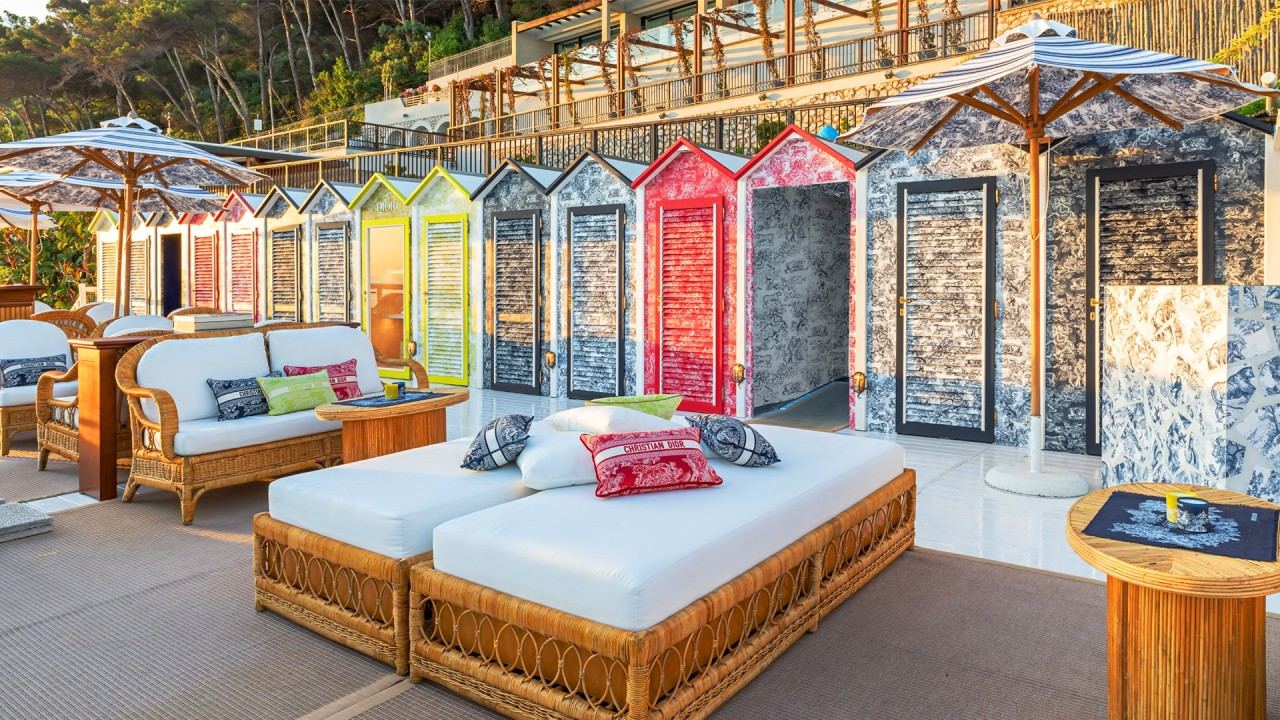
- Dior, Chanel, Fendi, and Louis Vuitton are staging pop-ups in mountain towns, on yachts, and within resort spas; not for the press photo, but for a place in the itinerary.
The Rise of the Branded Lifestyle
If there’s a single throughline in this evolution, it’s this:
Luxury is becoming less about what you own, and more about where you are.
We’re entering a new era of brand presence, one where identity is extended spatially, experientially, and socially. You don’t buy into a luxury brand. You live within it.
This is playing out across sectors:
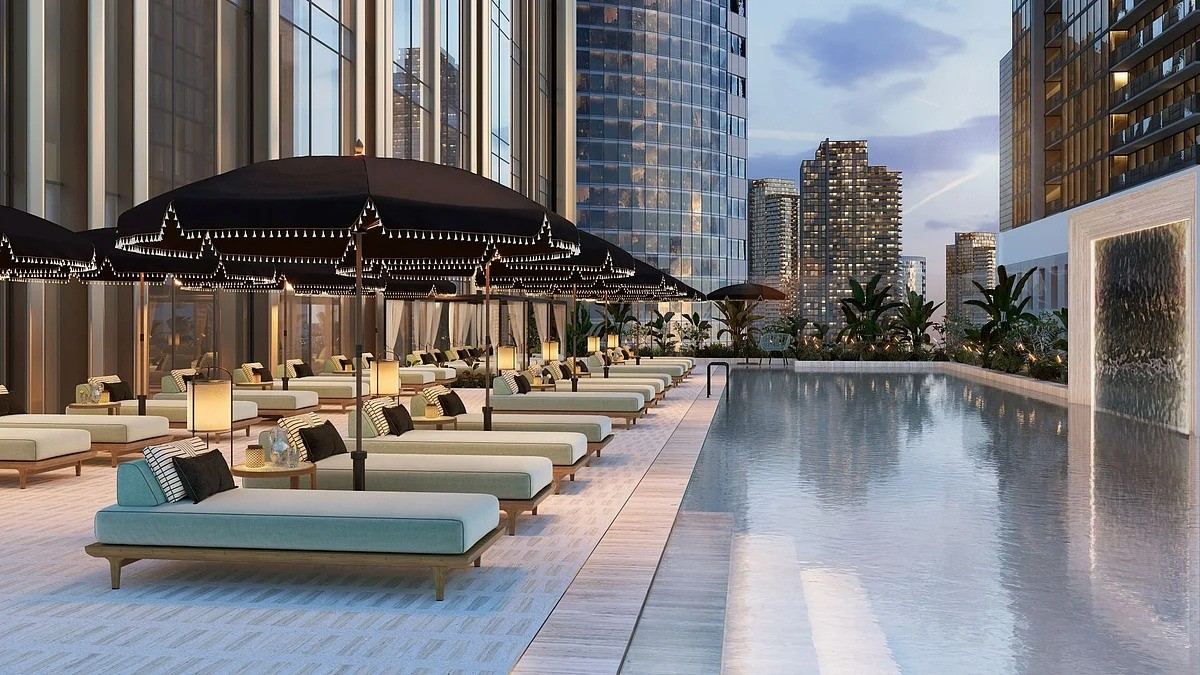
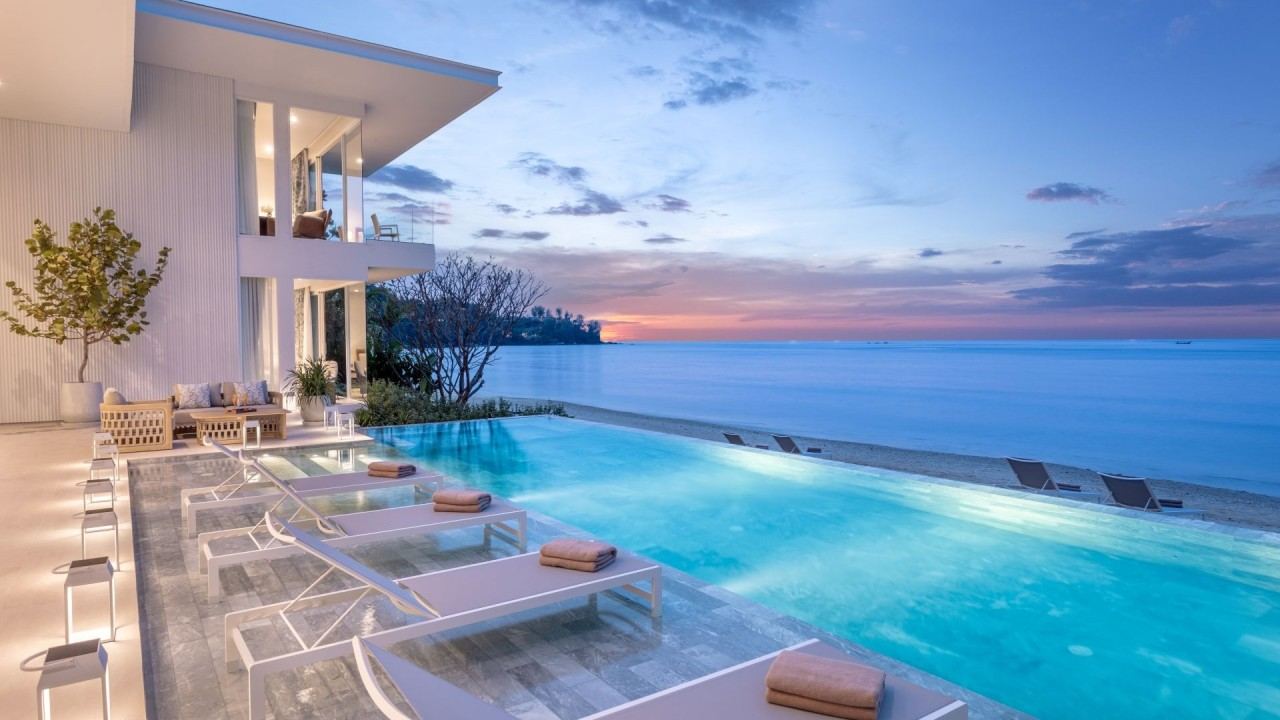
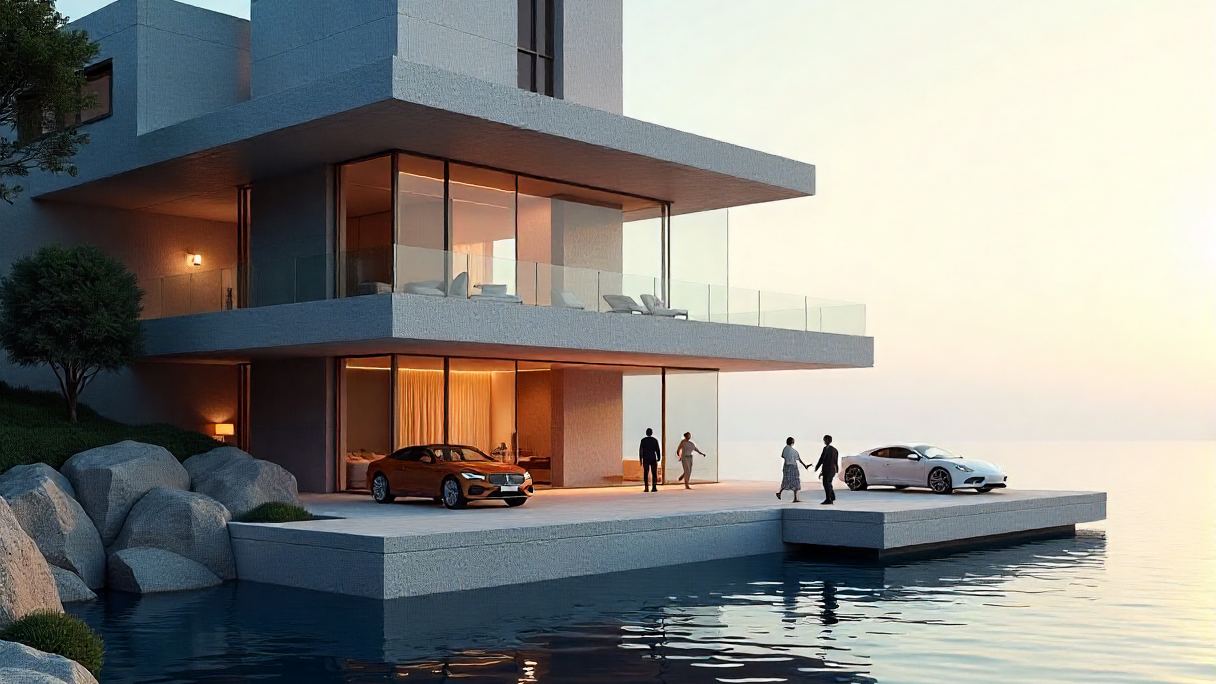
- Branded residences offer full sensory immersion; interiors designed by fashion houses, amenities curated by hotel groups, concierge services aligned with private clubs.
- Sporting and cultural partnerships are redefining touchpoints: LVMH’s high-profile partnership with the Paris 2024 Olympics, Louis Vuitton’s trunk for the FIFA World Cup, and Dior’s ongoing presence in Formula 1 events are not sponsorships. They’re narrative placement.
- Destination collaborations are reshaping tourism itself: think Fendi at Lake Como, Chanel at Aspen, Bulgari in Bali. These aren’t pop-ups. They’re spatial expressions of brand identity, embedded in high-context, high-value environments.
This isn’t marketing. This is world-building.
The Experience Economy: Why Now?
Three forces are accelerating this shift:
- Affluent consumer behavior has changed: Ultra-high-net-worth individuals increasingly prize privacy, meaning, and memorability over logos. A branded escape in Bhutan carries more status than a monogrammed belt.
- Technology has flattened access: If luxury is everywhere online, it has to become rare in real life. That means more experiential scarcity, fewer objects.
- Brands are chasing continuity: With fragmented channels, rising customer acquisition costs, and fatigue around traditional luxury retail, building immersive ecosystems is a strategic hedge (and a growth vehicle).
What This Means for the Industry
For strategists, founders, developers, and creatives working within or around luxury, the implications are massive and deeply exciting.
- Design beyond category: A fashion brand may now need to think like a hotelier. A watchmaker like a wellness curator. The next frontier is interdisciplinary immersion.
- Create narrative choreography: Affluent clients don’t want one-off interactions, they want arcs. From airport arrival to retreat welcome to curated dinner, each moment is a touchpoint in a wider story.
- Invest in brand geography: Where you show up now matters as much as how. The Alps. The Amalfi Coast. The World Cup. Art Basel. These are not sponsorships, they’re stages.
- Be intentional with scale: More isn't always more. Luxury ecosystems work because they’re carefully curated. Every expansion should feel like a deepening not a dilution.
The Takeaway: The Most Coveted Thing Is Coherence
Ultimately, what today’s luxury consumers are seeking isn’t just quality or access. It’s coherence.
A seamless sense of identity across everything they touch. A feeling that their time, space, and aesthetic are in alignment. That the world around them has been subtly, intelligently, and beautifully designed.
And that’s why these brand movements matter.
Not because Bulgari has a hotel. Not because Louis Vuitton owns a jet. Not because Chanel is staging a summer chalet.
But because each of these moves is about something far more strategic: Defining where the brand lives in the lifestyle of the global elite. Creating a sense of aspirational belonging. Making every touchpoint, from fragrance to flight, residence to ritual, speak the same visual and emotional language.
To not just sell to their customers, but to move with them. To live alongside them.
Through the air. Across the sea. Into their homes. And around their lives.
Because luxury today isn’t the destination. It’s the journey. And the brands that can shape that journey, across every channel, space, and sensation, won’t just lead the market.
They’ll become the map.
First published on LinkedIn.