Branded residences and luxury
Africa Is the New Frontier for Luxury, and the World's Wealthiest Know It
 Rosario Diaz Ausa
28 July 2025 · 3 min read
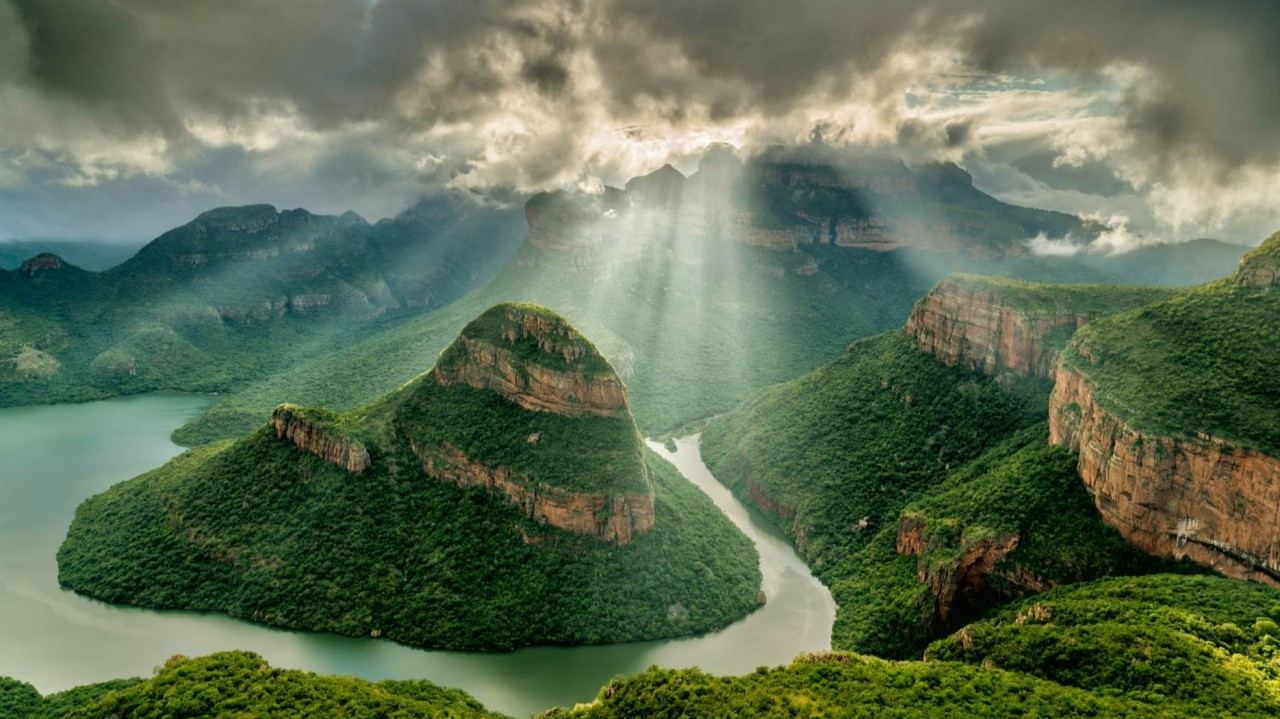
Somewhere between the spice-laced breeze of Zanzibar and the early morning mists of Rwanda, something is quietly shifting. It is not loud. It is not rushed. But it is moving with certainty.
Across Africa, discreet capital is reshaping the landscape of luxury hospitality. Private islands are booked out years in advance. Safari lodges have become architectural landmarks. And helipads are now as standard as infinity pools.
But the real story isn’t in the renderings. It is in the motivations behind them.
From Gulf royals to tech founders to Swiss family offices, the world’s wealthiest are looking to Africa not as charity, not as risk, but as rare opportunity. They are buying, building, and preserving. They are betting long. And they are doing it with quiet confidence.
From Risk to Rarity
Africa has long been misunderstood in hospitality circles. For years, the conversation has focused on volatility and fragility. The beauty was undeniable, yet few investors knew how to approach it.
That’s no longer the case.
In 2024, over 74 million international visitors arrived on the continent. More importantly, the demographic is evolving. These are not backpackers. They are legacy-driven travelers, climate-conscious families, and next-generation capital looking for value that cannot be replicated.
Africa offers something few destinations still can. Space. Authenticity. Meaningful differentiation.
A lodge in the Okavango Delta that funds conservation. A villa in Zanzibar built with coral stone and coconut timber. A dining experience in Kenya where every ingredient is traced to a regenerative farm.
This is luxury that feels rooted. Not themed, not borrowed, not commodified.
Why the Smartest Money is Moving
Ask any investor why they are entering the African hospitality market, and the answers come fast.
Asset prices remain competitive. The growth runway is real. And the global appetite for unique, immersive travel has never been stronger.
In a post-saturation world, Africa is one of the few places where true originality is still possible. Investors are no longer looking for another Mykonos or Maldives. They are looking for story, significance, and long-term positioning.
That is exactly what Africa offers.
It also offers structural shifts that are hard to ignore. A growing number of African nations have begun streamlining foreign direct investment pathways, expanding land-lease terms, and offering tourism-friendly policies that make investment less opaque than in the past.
Tourism itself is increasingly treated as strategic infrastructure. In Kenya, Rwanda, and Ghana, governments are partnering with private capital to fund conservation-linked hospitality zones. In Namibia and Botswana, environmental legislation is aligning with high-end, low-impact development incentives.
This is where private wealth thrives, long-term plays, structured with flexibility, that marry personal values with global potential.
What Comes Next
The African luxury boom is not a flash trend. It is a long arc.
The best projects will not simply sell beds. They will sell belonging. Conservation lodges that double as biodiversity banks. Branded residences that fund local education. Resorts that anchor entire ecosystems of small business, artisans, and agriculture.
Architecturally, there is a shift away from neutral luxury. The new wave is expressive. Raw materials, layered textures, earth-toned palettes, and regional identity are now central.
These are not spaces for passing through. They are places to return to. To invest in. To leave something behind.
Some of these emerging models are already taking shape. At Ankaa, a conservation-led hospitality project I’m involved with in Kenya, we’re exploring how regenerative tourism, private capital, and community stewardship can intersect to create a resort model with long-term ecological and economic value. The goal is not just to host travelers, but to restore landscapes, anchor jobs, and build something that lasts beyond the stay.
Final Thought
Luxury is moving. It is moving away from the familiar. It is moving toward the felt.
Africa, in all its complexity and richness, is becoming the canvas for this evolution. Not because it is untouched, but because it is alive.
The wealthiest people in the world are no longer just vacationing here. They are committing. They are co-creating.
They see what many still don’t.
That the future of luxury is not built on excess. It is built on context. And in Africa, context is everything.
Rosario Diaz Ausa is a strategist working across tourism, investment, and global placemaking. She advises developers, brands, and family offices on turning destinations into long-term value ecosystems.
First published on LinkedIn.